Views: 0 Author: Site Editor Publish Time: 2025-11-19 Origin: Site


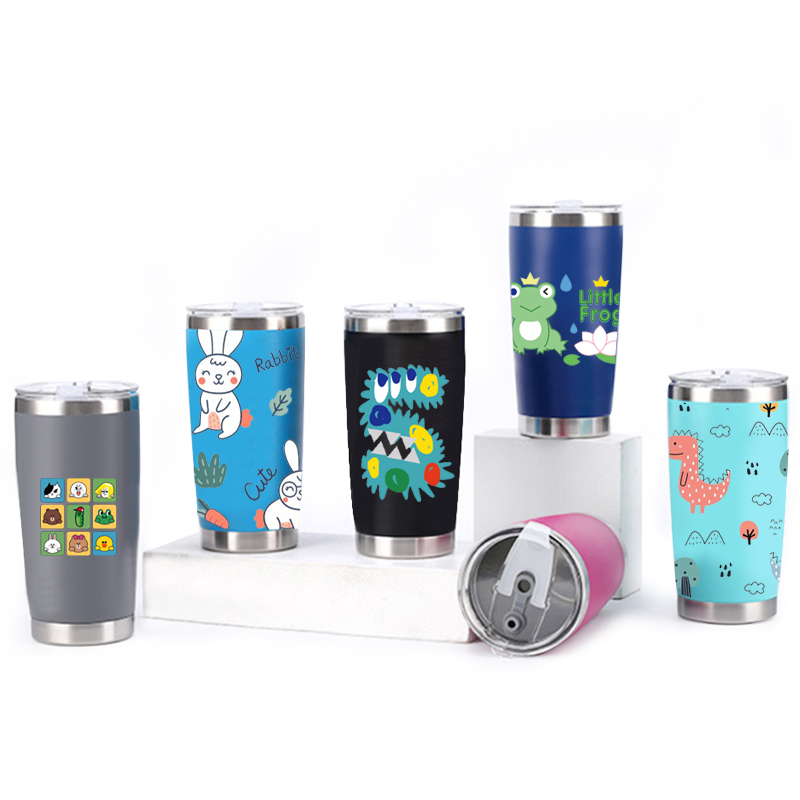
As a parent, nothing matters more than your child’s health and safety—especially when it comes to the products they use every day. A kids water bottle might seem simple, but it plays an important role in keeping your child hydrated, healthy, and safe.
Choosing the right one can feel overwhelming, but don’t worry—you’re not alone. This guide will walk you through the key safety facts every family should know about kids water bottles, from safe materials to cleaning routines, spill prevention, and daily care tips.
The safest water bottles for kids are made from BPA-free, food-grade stainless steel, Tritan plastic, or glass (with protective sleeves). These materials are non-toxic and won’t leach harmful chemicals into drinks, even when exposed to heat or sunlight.
Avoid bottles made with BPA, BPS, or phthalates—chemicals linked to health risks in children. Cheap plastic bottles can also crack or degrade over time, increasing contamination risks. Always check the label or packaging for “BPA-free” certification.
Before buying, look for clear product labeling that lists material type, temperature limits, and country of origin. Reliable brands provide detailed safety information, giving you confidence in your choice.
Kids use their bottles every day—so regular cleaning is essential. Wash bottles daily with warm, soapy water and a bottle brush to remove residue. For deeper cleaning, use a vinegar rinse or baking soda soak once a week to prevent bacteria buildup.
If you notice a musty smell, dark spots, or cloudy film, it’s time for a deep clean or replacement. Mold and bacteria thrive in moist, sealed environments—especially in lids and straws.
Make it a habit to wash bottles nightly and disassemble straws and lids for air drying. Encourage your child to bring home their bottle every day instead of leaving it in a backpack overnight.
A leak-proof bottle keeps school bags and clothes dry—and prevents accidental spills during play. Look for silicone seals, locking lids, or one-piece spouts designed for active kids.
Before the first use, fill the bottle with water and shake it upside down to test for leaks. A quick check can save you (and your child) a messy surprise later.
Choose bottles with flip-top or straw-style lids for younger children who might accidentally tip their bottles. These designs are both safe and practical for daily school and playtime use.
Younger kids (under 6) need bottles with soft spouts or built-in straws, while older children can handle twist caps or push-button lids. Always ensure small parts are securely attached and not removable by little hands.
Avoid bottles with tiny detachable pieces like vent caps or small straws that can pose choking risks. If your child still chews on lids, choose a silicone or stainless-steel design that’s safe and bite-resistant.
Select a bottle that fits your child’s age and strength—a 12–14 oz bottle for preschoolers, and 16–20 oz for older kids. It should be light enough for them to carry comfortably in a backpack.
Even safe materials can become unsafe when damaged. Dents, cracks, or chipped coatings can harbor bacteria or cause leaks. Inspect bottles regularly, especially after drops or impacts.
Replace your child’s water bottle if it shows visible cracks, discoloration, or loose parts. Stainless steel bottles may last years, but plastic ones often need replacement every 6–12 months.
Invest in a high-quality, impact-resistant design—it may cost more upfront, but it lasts longer and keeps your child safe every day.
Use name labels or engravings to help your child identify their bottle easily. This reduces the chance of sharing or mixing up bottles at school, keeping hygiene under control.
Always empty bottles after use and let them air dry overnight. Avoid storing liquids for long periods, as this can lead to bacterial growth and unpleasant odors.
Encourage your child to refill and drink water regularly throughout the day. Staying hydrated supports focus, energy, and overall wellness—especially during school or sports.
Keeping your child safe starts with simple, consistent habits—like choosing the right water bottle and maintaining it properly.
Remember these key points:
Choose BPA-free, food-grade materials.
Clean bottles daily and check for mold or damage.
Ensure leak-proof, age-appropriate designs.
Replace bottles when worn or cracked.
Take a moment today to review your child’s current water bottle—is it truly safe and hygienic? A few small changes can make a big difference in your family’s daily routine.
By staying informed and proactive, you’re not just choosing a bottle—you’re building healthy habits and confidence for your child’s every adventure.


